
When to Replace Your Old Fence (5 Signs It’s Time)
Learn When to Replace a Wood Fence in Chicagoland, IL
A sturdy fence acts as a guardian for your home. It keeps your yard private, keeps your pets safe, and enhances the visual appeal of your entire property. Our goal is to help Chicagoland homeowners learn when to replace a wood fence with confidence. Every fence reaches the end of its lifespan, and replacing it at the right time reduces hassle and protects your investment. Planning ahead also gives you more control over design, materials, and timing. This blog highlights five key warning signs that signal the need for replacement and connects you with professional installation services tailored to your goals.
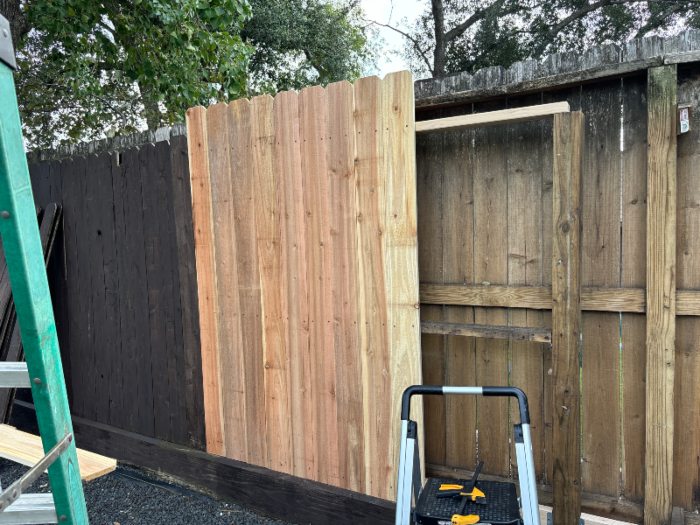
How Long Does a Fence Typically Last?
Understanding the longevity of your fence is essential for planning your yearly home improvement budget and evaluating the eventual fence replacement cost that Illinois homeowners should expect. While a sturdy fence can serve you for many years, every material has a natural expiration date determined by its composition and exposure to the elements. Further, local weather plays a significant role in how quickly components degrade over time. By knowing these standard lifespans, you can determine if a simple repair is sufficient or if a complete structural overhaul is needed. The list below outlines the average lifespan of common fence materials so you can make informed decisions for your home:
- Wood – Most wood fences last between 15 and 20 years if well kept. We recommend western cedar or pressure-treated pine for strong choices in durability and appearance.
- Vinyl – Vinyl fences often reach 20-30 years with steady performance. The material resists decay and handles changing seasons well.
- Aluminum – Aluminum generally lasts 30 years or more. Their structure holds up well in outdoor environments with minimal upkeep.
5 Signs It’s Time to Replace Your Fence
Homeowners often notice gradual changes in their fence but may not know which issues signal the need for a full replacement. Learning the most common signs your fence needs repair helps you plan ahead and choose the best time for new installation services. A fence that no longer supports privacy, appearance, or stability can affect the value of your property. Clear indicators make decisions easier and give you a better understanding of long-term needs. The list below outlines five reliable signs that show your fence has reached the end of its lifespan:
- Persistent Sagging – The horizontal rails or vertical posts begin to lean at severe angles due to shifting soil or internal rot. This instability often indicates that the underground support system has failed completely. You cannot simply prop up these sections because the structural core is no longer sound.
- Widespread Discoloration – Wood often turns a dull gray color, while vinyl may yellow significantly after years of intense UV exposure. These aesthetic changes indicate that the material’s fibers are breaking down at the molecular level. Applying a new coat of paint rarely fixes the underlying brittleness found in aged fencing.
- Visible Insect Damage – Termites and carpenter ants create small holes or intricate tunnels throughout organic wood structures. This infestation hollows out the boards, making the entire unit dangerous during high winds. Professional extermination might kill the pests, but the structural integrity of the damaged wood never returns.
- Frequent Board Replacement – Homeowners often find themselves fixing individual pickets every single month during the rainy season. This constant cycle of repair suggests that the fastener holes have stripped or the surrounding material has softened. Spending money on constant small patches eventually exceeds the cost of a brand-new installation.
- Impact Cracks – Large fractures appear in PVC or metal panels after heavy storms or accidental collisions. These openings allow moisture to seep into the inner layers, where it causes rapid expansion or hidden rust. Patching these gaps provides a temporary solution that fails to restore the panel’s original wind resistance.
Repair vs Replace: How to Decide
It’s common for homeowners to look for simple ways to keep their fence in good shape, especially when learning damaged fence repair tips for small cosmetic issues. Minor fixes make sense when the fence remains sturdy and only needs light attention to maintain its appearance. Larger structural decline shifts the decision toward full replacement, which delivers stronger performance and long-term value. Replacement also gives you the chance to choose new materials and styles that fit your goals.
Choosing the Right Time for Your Next Fence
A fence that no longer supports privacy, appearance, or security deserves careful attention, and knowing when to replace a wood fence helps you protect your property for years to come. Homeowners in Chicagoland gain the most value by planning ahead and selecting materials that match long-term goals. A clear decision also makes the installation process smoother and ensures your yard receives the update it needs. Paramount Fence remains committed to high-quality craftsmanship, dependable service, and a smooth experience from start to finish. Reach out to our team today to get started on your new fence project.
Choosing the right wood for a fence is a vital decision that affects not only the look of your property but also the durability and maintenance…
Introduction
Wood fencing is a versatile and attractive option for defining property lines, ensuring privacy, and enhancing the aesthetic appeal of…